
India's electric vehicle market is experiencing an unprecedented boom with a 37 per cent increase in new entrants, driven by supportive policies and infrastructure.

This is one of the coldest temperatures achieved in a research facility in India with more than 80 per cent domestically sourced components.

Tamil Nadu's new government, led by C Joseph Vijay, is committed to advancing the ~38,000 crore shipbuilding project with HD Hyundai in Thoothukudi, securing bipartisan support from the Opposition DMK, despite initial industry concerns about policy continuity after the change in leadership.

A new white paper released by the Tamilaga Vettri Kazhagam (TVK) government reveals that Tamil Nadu's direct debt has nearly doubled to an alarming 10 trillion in the past five years, exposing significant fiscal strain and a substantial debt burden on every citizen.

JSW Motors, part of the JSW group, is set to enter India's passenger vehicle market with plans to launch 15 new-energy vehicles (NEVs) over the next four years, with deliveries commencing from December 2026.

Hyundai Motor India Ltd (HMIL) announced plans to make Tamil Nadu its 'flagship EV hub for India', committing over 26,000 crore in investment, enhancing localisation, and creating approximately 2,000 additional jobs over the next five to six years. The company will roll out two new EV models from its Chennai facility this year, including its first mass-market dedicated EV.

Fuel prices have risen by about Rs 7.5 per litre since May 15, as global crude oil prices surged due to the ongoing conflict in West Asia and supply concerns around the Strait of Hormuz.

Companies are already diversifying sourcing, raising prices, and reworking operating models as the disruption drags on.

Maruti Suzuki Chairman R C Bhargava is pushing for increased government incentives for biogas-powered vehicles over hybrids, emphasising their net-zero carbon emissions and the valuable organic manure they produce, while also advocating for continued GST benefits for electric vehicles.
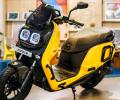
India's home-grown EV startups say the government's auto PLI scheme is helping big players while shutting out innovators building electric two- and three-wheelers from scratch.
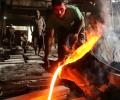
South India's manufacturing, construction, and services sectors are grappling with severe labour shortages, prompting employers to offer attractive incentives like free air tickets and salary increments to lure migrant workers back from their home states after recent assembly elections.

TVS Venu Group has agreed to acquire a minority stake of up to 9.9 per cent in Jana Small Finance Bank, including a 4.9 per cent ownership by TVS Motor Company, through a combination of primary issuance of warrants and a secondary purchase.

But when it comes to e2W, China is the dominant player and had grabbed over 76 per cent share of total e2W imports in 2025 with brands like Yadea, NIU and Sunra dominating the market.

Ola Electric is making a renewed push into the electric motorcycle market with aggressive pricing and in-house battery manufacturing, aiming to replicate its earlier success in electric scooters while addressing past quality and service issues.
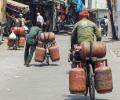
'If 5% of the total revenue was spent on LPG (pre-war), it is now expected to double. The overall food cost in restaurants is expected to rise by 4-6%.'

Vijay's electoral triumph in Tamil Nadu is poised to dramatically revive the fortunes of his much-anticipated final film, Jana Nayagan, which has been plagued by release delays, censorship battles, and a cancelled streaming deal.

Airfares to Southeast Asia have surged 25 to 30 per cent, driven by high demand and limited airline seat capacity.

Launched in 2024, the TVK has Vijay's shift into politics was not sudden as he had been doing groundwork since 2009, when he launched his fan club, the Vijay Makkal Iyakkam.

One of the standout stories of the TVK victory was that of 30-year-old R Sabarinathan, the son of Vijay's driver from Virugambakkam.

Amid the arithmetic of subsidies, consumption and capacity, whichever government assumes office in Tamil Nadu after May 4 is likely to inherit a growing debate over how far the state can continue to expand welfare promises without placing additional strain on public finances and the power sector.
